
- A DOB violation is a notice that your property doesn't comply with the law, with an order to correct it.
- What people call an ECB violation is now an OATH summons: also issued by DOB, but heard at a City court and it can carry a fine.
- Paying the fine doesn't close it. The record stays open until DOB accepts a Certificate of Correction or OATH dismisses the summons.
- Open violations show up in title searches and can hold up a sale, a refinance or a new Certificate of Occupancy.
Two kinds of violation, one inspector
Both come from the NYC Department of Buildings (DOB). After an inspection, DOB can issue a DOB violation, an OATH summons, or both for the same condition. The difference is what happens next: a DOB violation waits on your record until you certify the fix, while an OATH summons also goes to a hearing and can come with a penalty.
What is a DOB violation?
DOB describes it as a notice that a property is not in compliance with some provision of the law, with an order from the Commissioner to correct the condition. It's recorded in DOB's Buildings Information System (BIS), where anyone can look it up by address.
There's no hearing, but it doesn't expire. It stays open until the condition is corrected and the correction is certified with DOB.
What is an ECB violation (OATH summons)?
What many owners still call an ECB violation is now an OATH summons. DOB inspectors issue it, and it's heard by the Office of Administrative Trials and Hearings (OATH), the City's independent administrative court. OATH doesn't issue violations itself; it decides them. DOB sorts summonses into three classes:
- Class 1, immediately hazardous. A threat to life, health, safety or property that needs action right away. It must be corrected immediately, and leaving it uncertified can bring extra DOB penalties and repeat inspections.
- Class 2, major. Affects safety or property but doesn't need immediate action.
- Class 3, lesser. A smaller code issue.
Ignoring a summons is the expensive option. Owners who don't correct, settle, pay or attend the hearing face higher default penalties, up to $25,000.
Fix it before the hearing: the CURE date
Some summonses are eligible for CURE under DOB's penalty schedule. If you correct the condition and DOB approves your Certificate of Correction by the CURE date printed on the summons, you don't have to attend the hearing or pay a penalty. For certain summonses DOB may instead offer a stipulation: more time to correct, in exchange for admitting the violation and a reduced penalty.
5 steps to clear either one
- Look it up. Find the violation or summons number on BIS or DOB NOW, and note the class, the hearing date and any CURE date.
- Do the corrective work to code. Use a licensed contractor. If the fix needs a permit, the permit comes first; for work done without a permit, DOB's extra penalties must be paid or waived before your correction is approved.
- Keep proof. Before and after photos, invoices, permits and sign-offs that show the condition is fixed.
- File a Certificate of Correction. Submit it to DOB through DOB NOW: Safety. The old AEU2 paper forms are no longer needed; the details go into the online request.
- Deal with the hearing. If you didn't cure in time, attend the OATH hearing or pay. Either way the record stays open until DOB accepts your Certificate of Correction or OATH dismisses the summons.
Why an open violation matters
Violations are public and appear in a property title search. Open ones can stop you from selling or refinancing, and DOB won't issue a new or amended Certificate of Occupancy or a Letter of Completion while they're active.
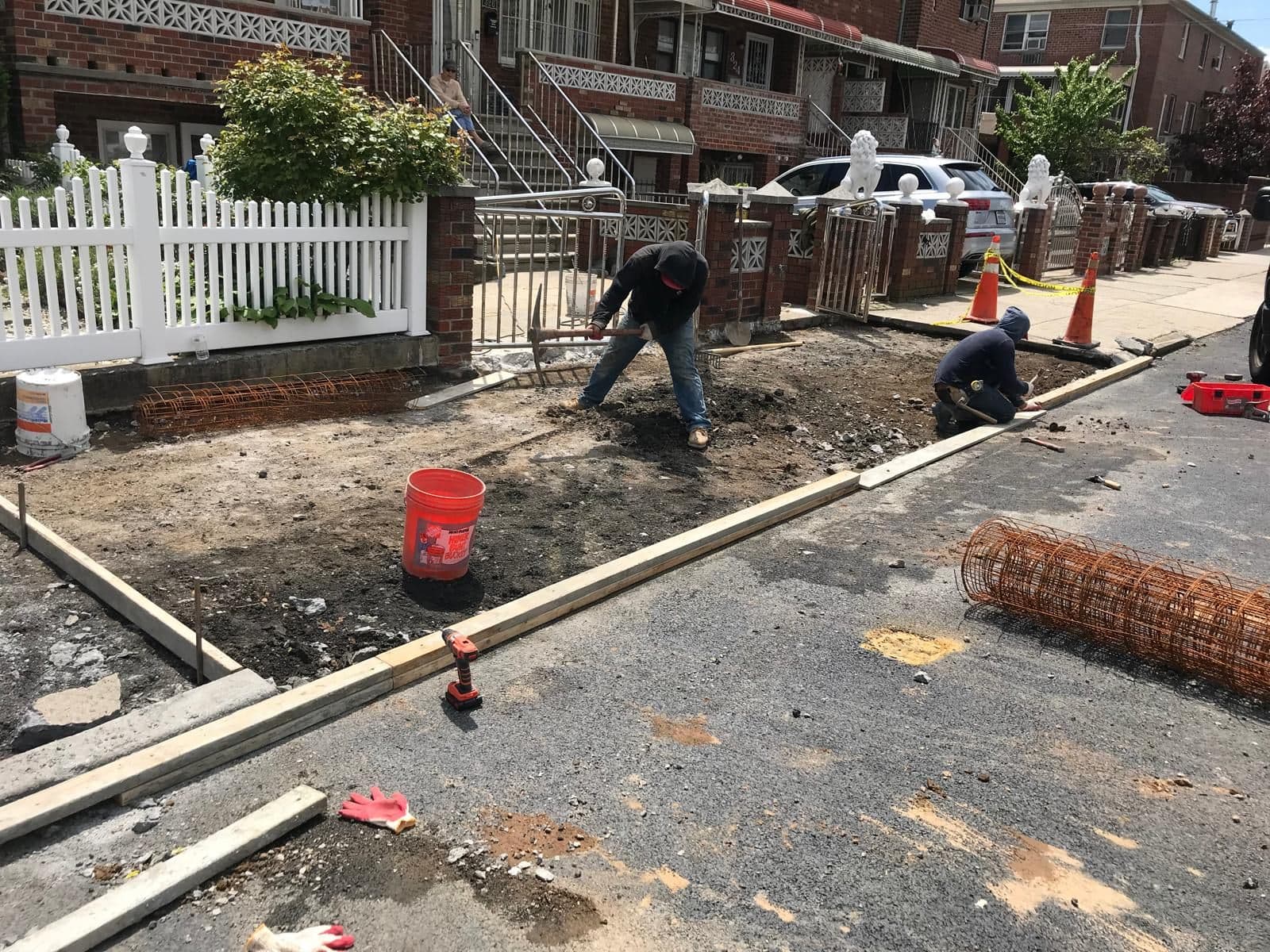
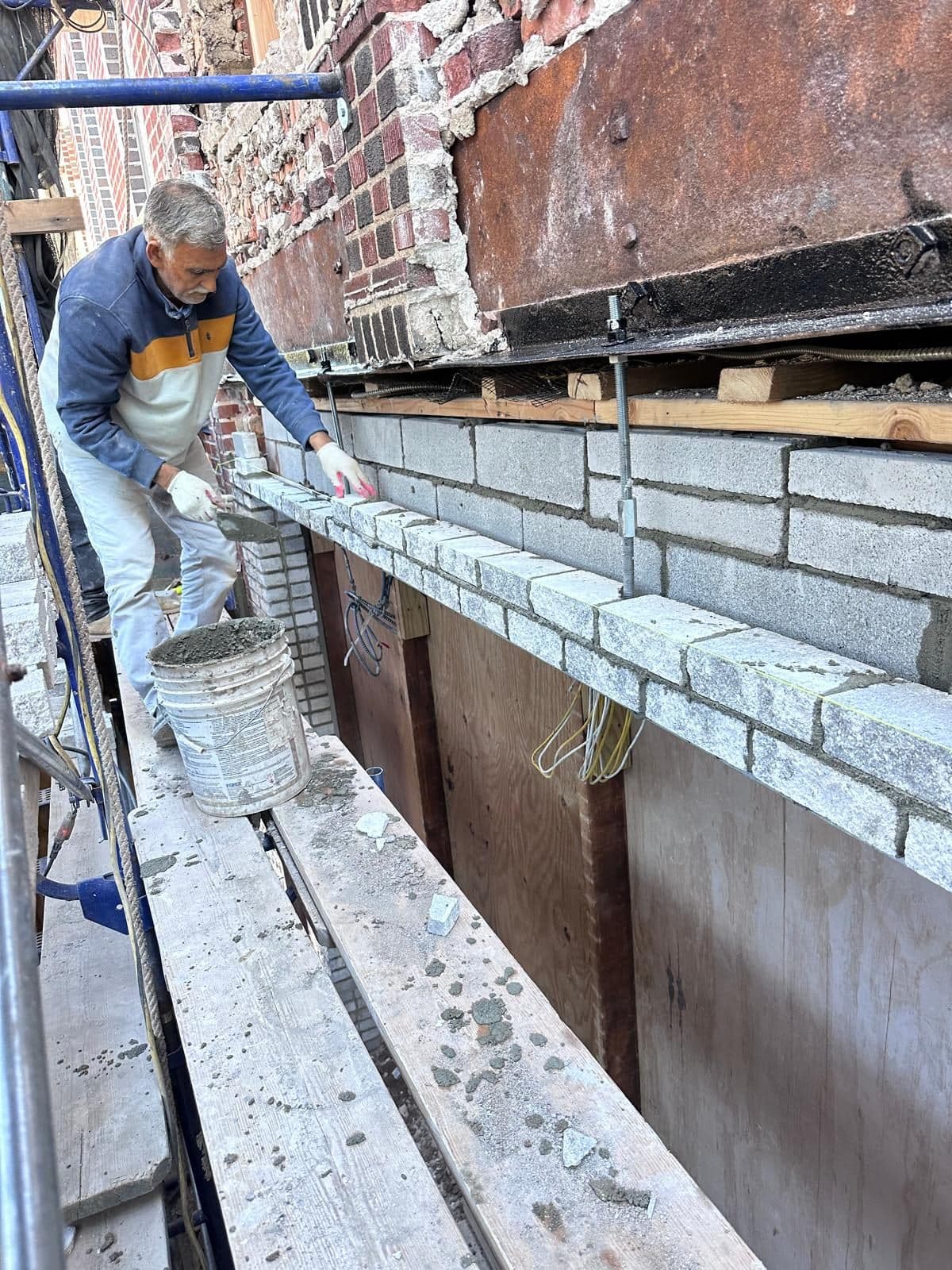
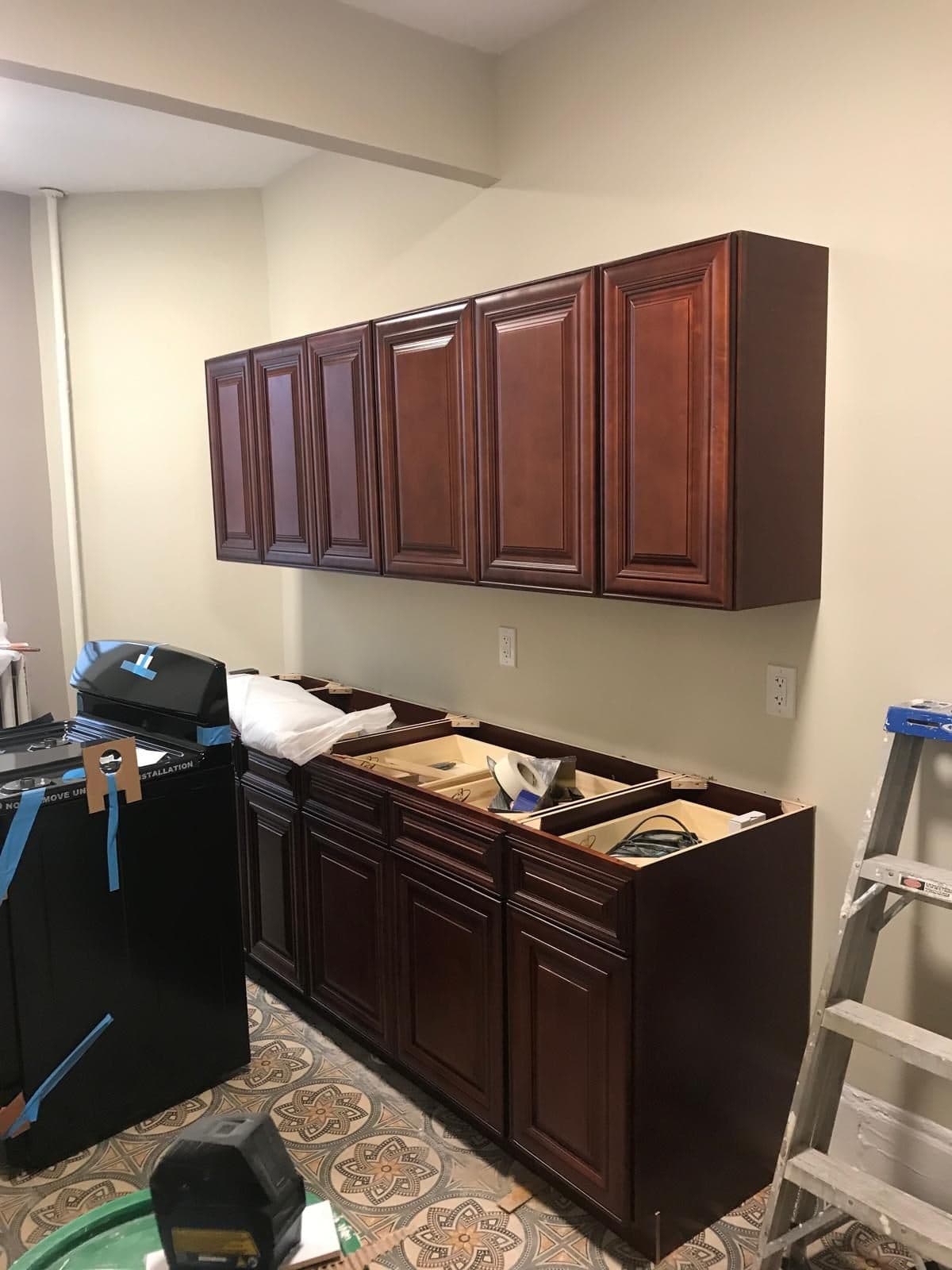
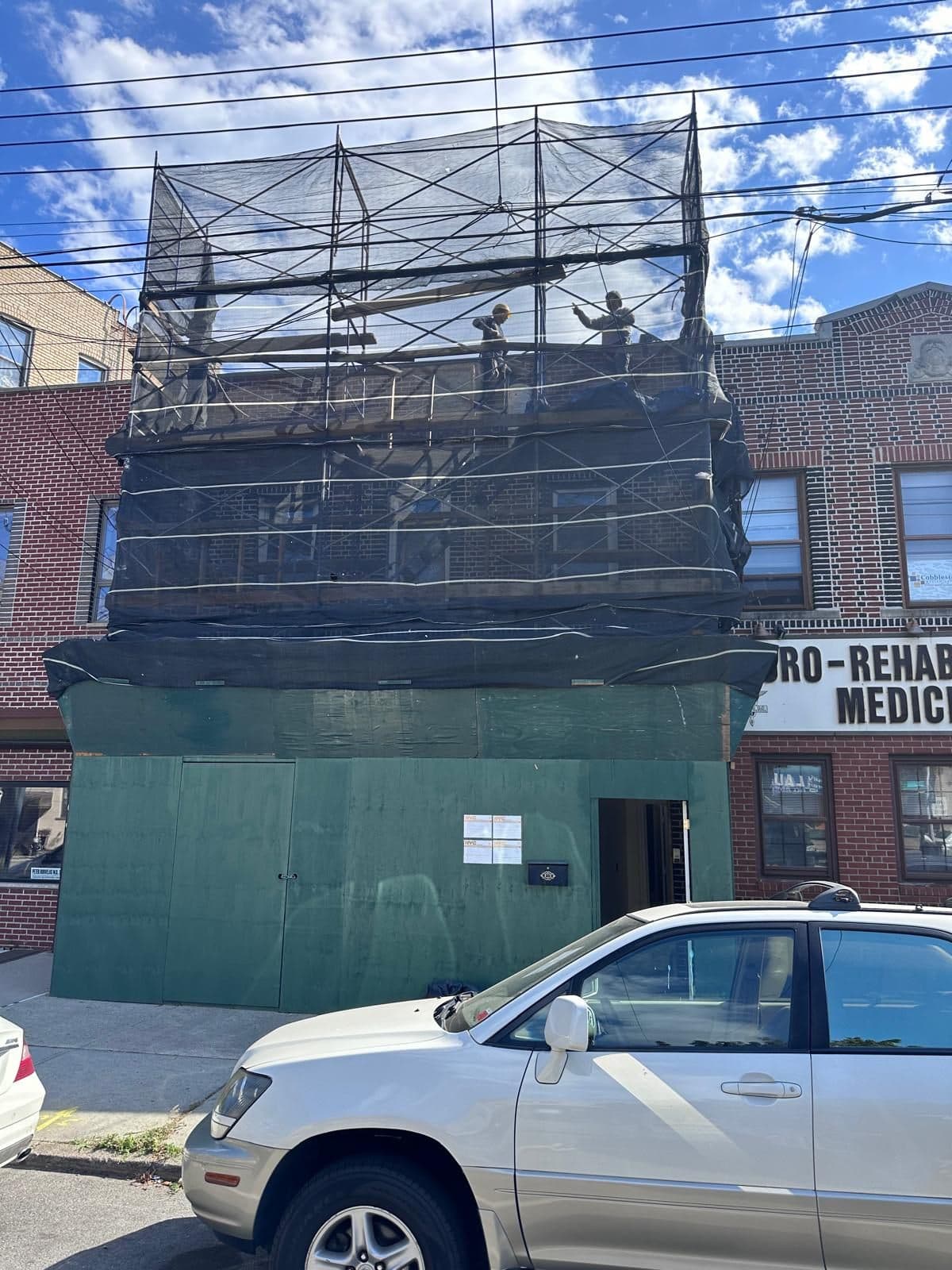
We do the corrective work to code with the required permits, and give you the photos and paperwork your Certificate of Correction needs. See violation removal, or send us your notice for a free quote.
Common questions
Is an ECB violation the same as a DOB violation?
No. Both come from a DOB inspection, but an ECB violation (now called an OATH summons) goes to a hearing at OATH and can carry a penalty. A DOB violation has no hearing but stays open until you certify the correction.
Does paying the fine close the violation?
No. DOB says a violation stays open on its records even after you pay the OATH penalty, until an acceptable Certificate of Correction is submitted, or OATH dismisses the summons at a hearing.
What happens if I miss the OATH hearing?
If you don't correct, settle, pay or attend, OATH can impose a higher default penalty, up to $25,000.
How do I check my property for violations?
Search the address on DOB's Buildings Information System (BIS) or DOB NOW. Violations are public and also show up in title searches.
Can you fix the violation for me?
Yes. We review the notice, do the corrective work to code with the required permits, and provide the photos and documents for your Certificate of Correction.
This guide is general information, not legal advice. Rules can change; check NYC DOB and OATH for the latest.