
- Home improvement work over $200 on a residential building in NYC needs a DCWP Home Improvement Contractor license.
- Check the license before you sign: call 311 or use the license search at nyc.gov/dcwp.
- Get a signed written contract with the dates, the work, materials, payment schedule and a Notice of Cancellation form.
- Pay no more than 25% upfront, never in cash. Only customers of licensed contractors can claim from the City's Trust Fund.
Who needs a license?
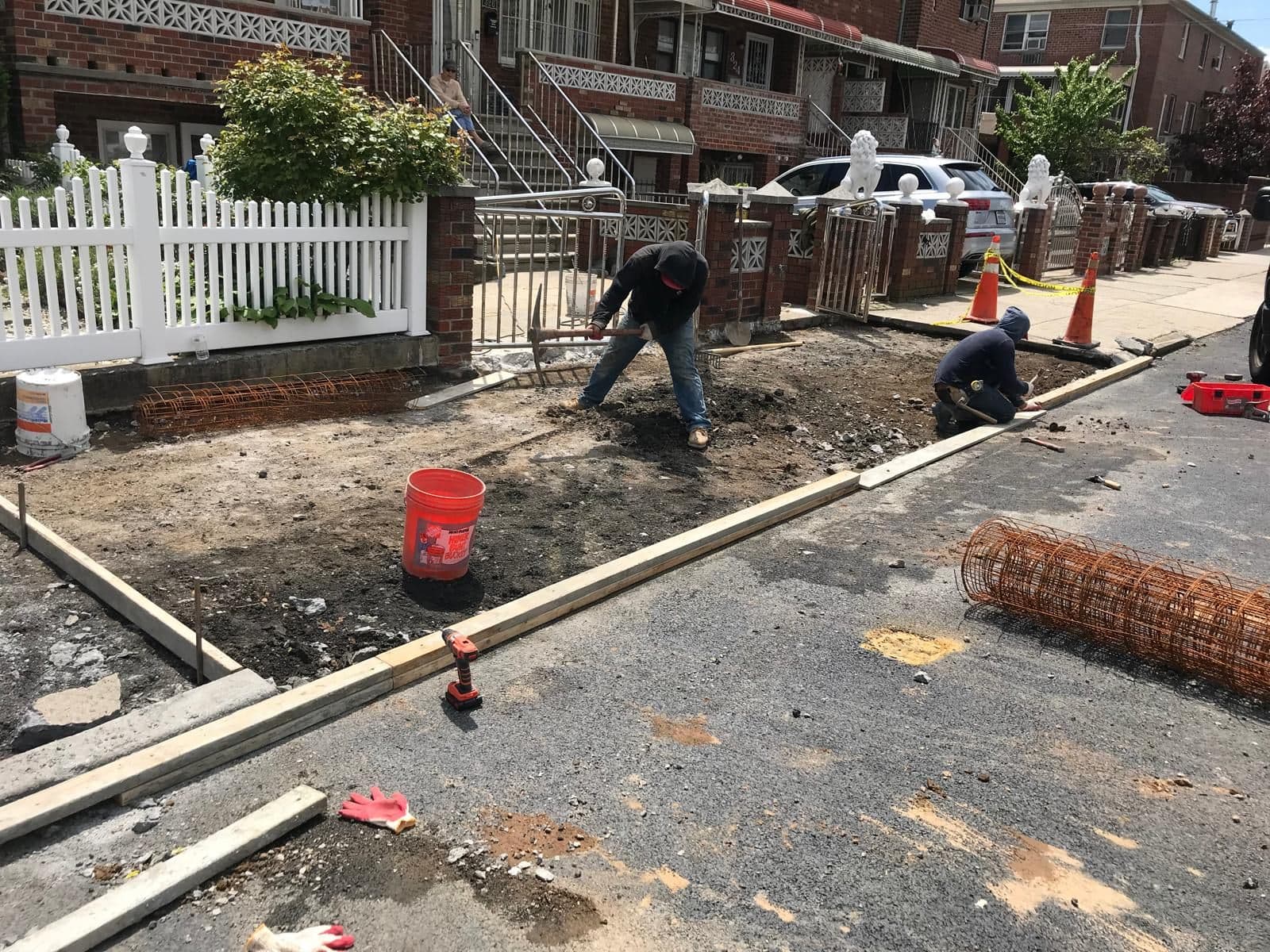
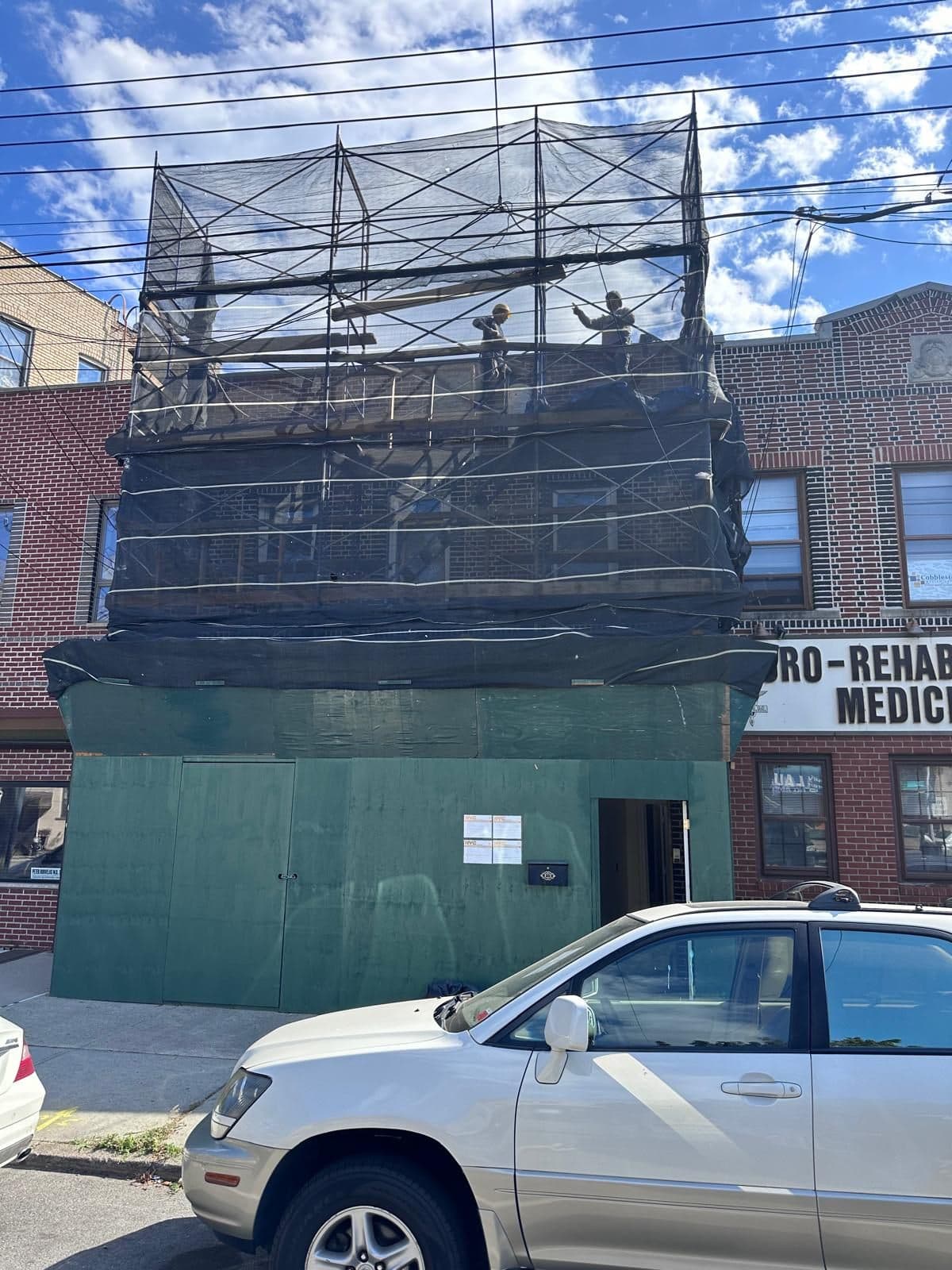
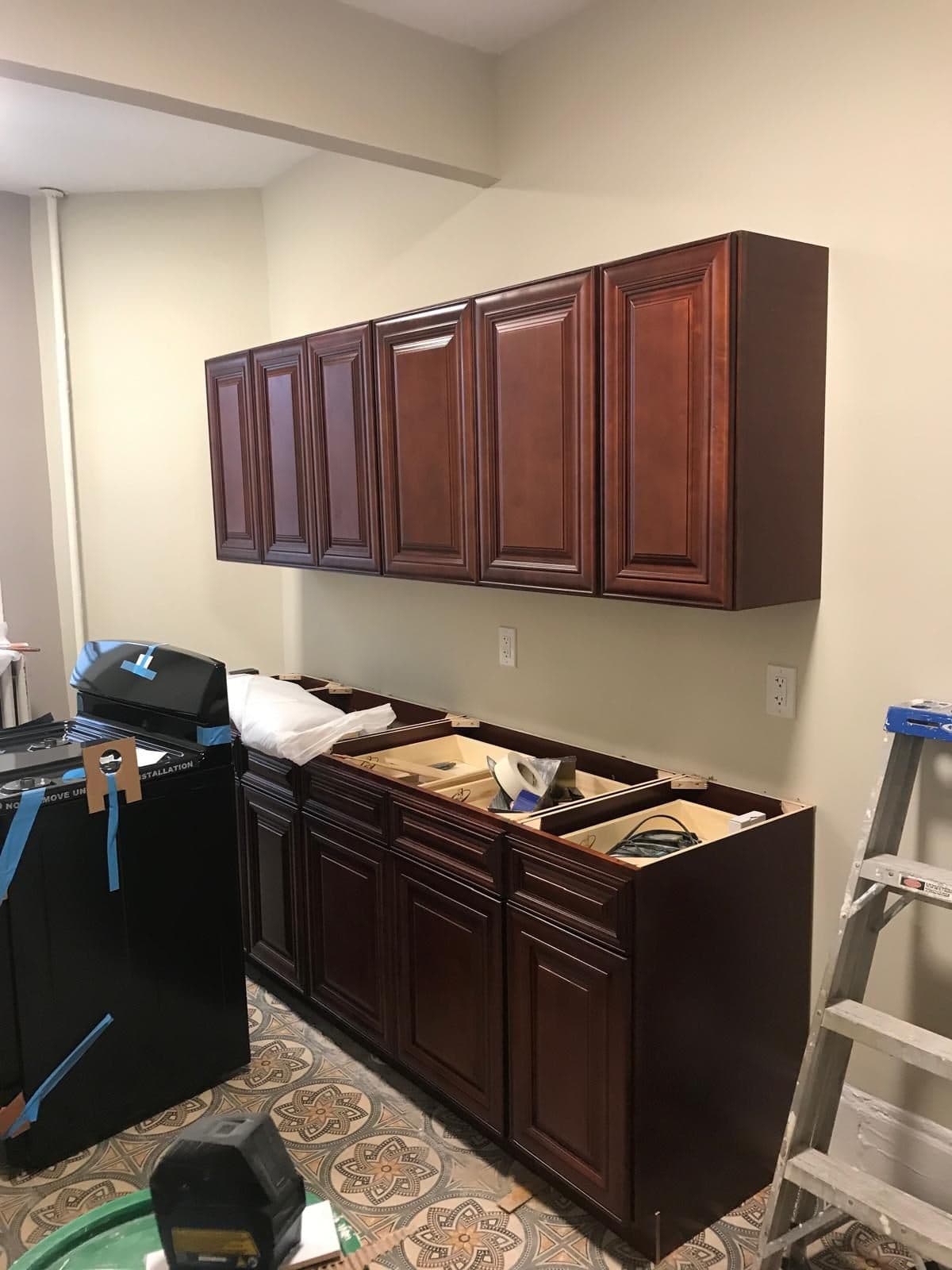
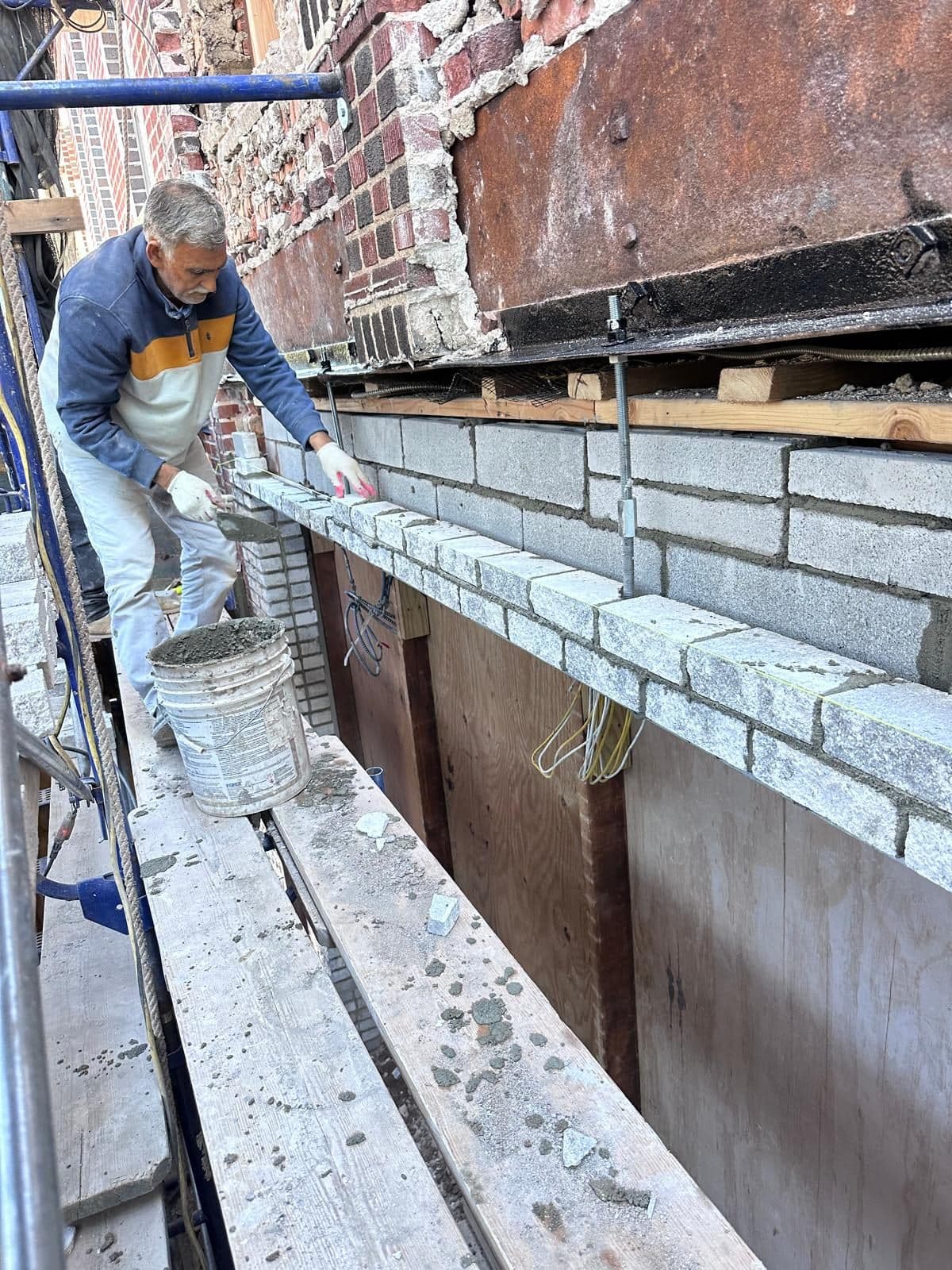
The NYC Department of Consumer and Worker Protection (DCWP) requires a Home Improvement Contractor license for construction, repair, remodeling or other home improvement work that costs more than $200 on any residential building in the city. That covers most jobs homeowners hire for: kitchens and baths, masonry, sidewalks, roofing, driveways and more. A contractor's employees don't need their own license; the business does.
Some trades also need a separate license from the Department of Buildings. Plumbing, gas and electrical work, for example, must be done by DOB-licensed plumbers and electricians.
How to check a license in 2 minutes
- Ask for the license number. A real contractor gives it to you without hesitating, along with the business's legal name.
- Look it up. Go to nyc.gov/dcwp and use the license search, or call 311 and ask for DCWP license status.
- Match the details. The business name and address on the license should match the estimate and the contract.
- Check the Wall of Shame. DCWP publishes a list of unlicensed home improvement contractors it has caught. Make sure yours isn't on it.
- Ask for proof of insurance. Get a certificate of insurance naming you or your property before work starts.
What the contract must include
DCWP says you and the contractor must both sign a written contract, and you must get a copy before work begins. It should include the important dates, a description of the work, the materials, any agreed payment schedule, and all charges, guarantees and warranties. It must also come with a separate Notice of Cancellation form. Before you sign, the contractor must tell you in writing which permits the job needs and make sure they're obtained.
Paying safely
DCWP's advice is to pay no more than 25% of the total contract amount upfront to get the work started, and never to pay in cash or without a contract. If a licensed contractor owes you money and doesn't pay, you may be able to recover it through the Home Improvement Contractor Trust Fund. Hiring an unlicensed contractor makes you ineligible.
Red flags to walk away from
- No license number, or a number that belongs to a different business.
- Cash only, or a large deposit before anything is in writing.
- No written contract, or pressure to sign the same day.
- Vague about permits, or asking you to skip them.
Home Developers NY Corp is a licensed and insured NYC home improvement contractor. Book a free inspection and you'll get a written, line-item estimate, our license details and proof of insurance before any work starts.
Common questions
Does a small job need a licensed contractor?
In NYC, home improvement work on a residential building that costs more than $200 needs a DCWP-licensed Home Improvement Contractor.
How do I look up a contractor's license?
Use the license search at nyc.gov/dcwp or call 311. Check that the name and address match the contractor's estimate and contract.
How much should I pay upfront?
DCWP advises paying no more than 25% of the total contract amount upfront, and never in cash or without a written contract.
What if a licensed contractor doesn't finish the job?
You may be eligible for reimbursement from DCWP's Home Improvement Contractor Trust Fund. That protection only applies to licensed contractors.
This guide is general information, not legal advice. Rules can change; check NYC DCWP for the latest.