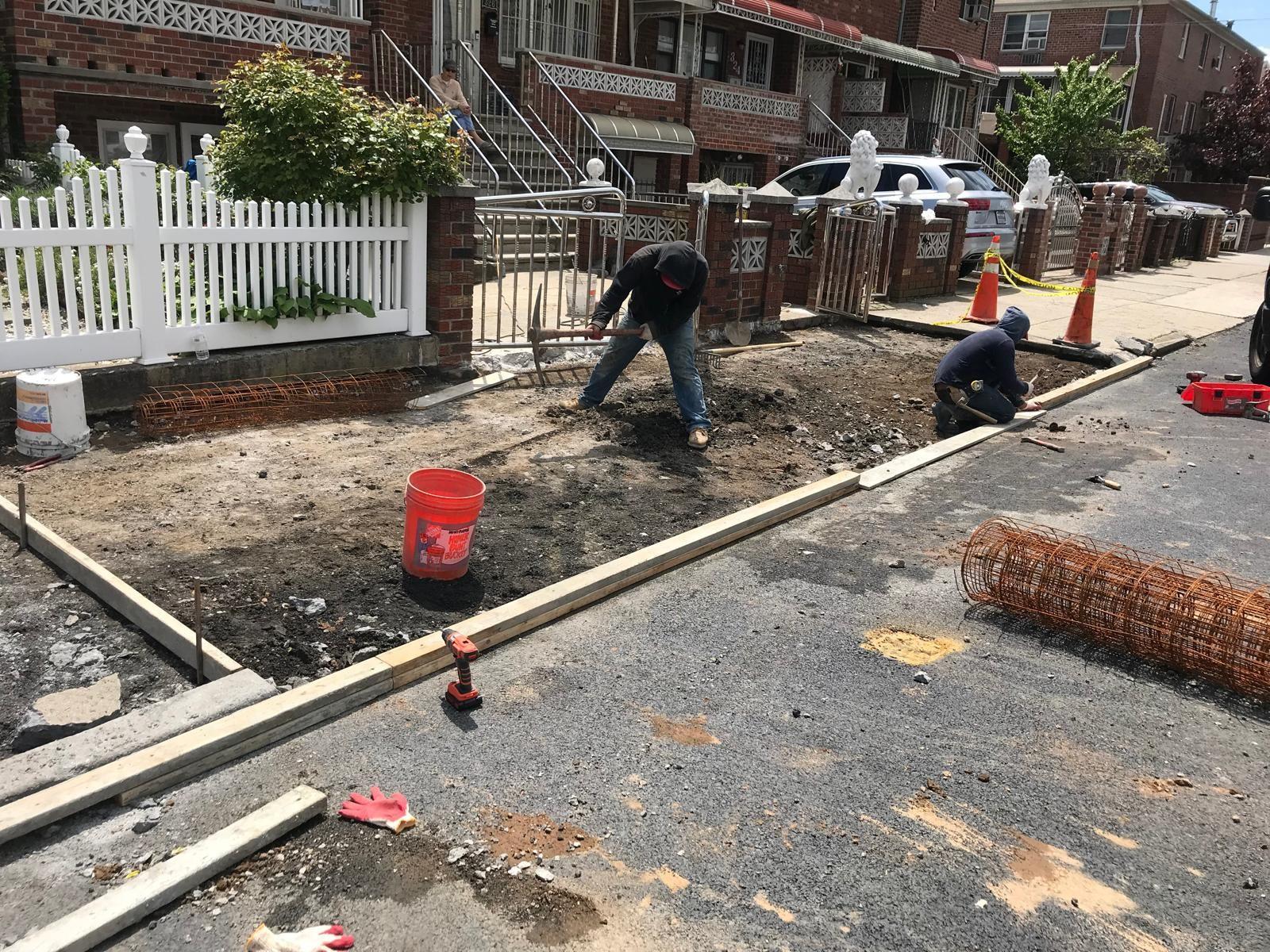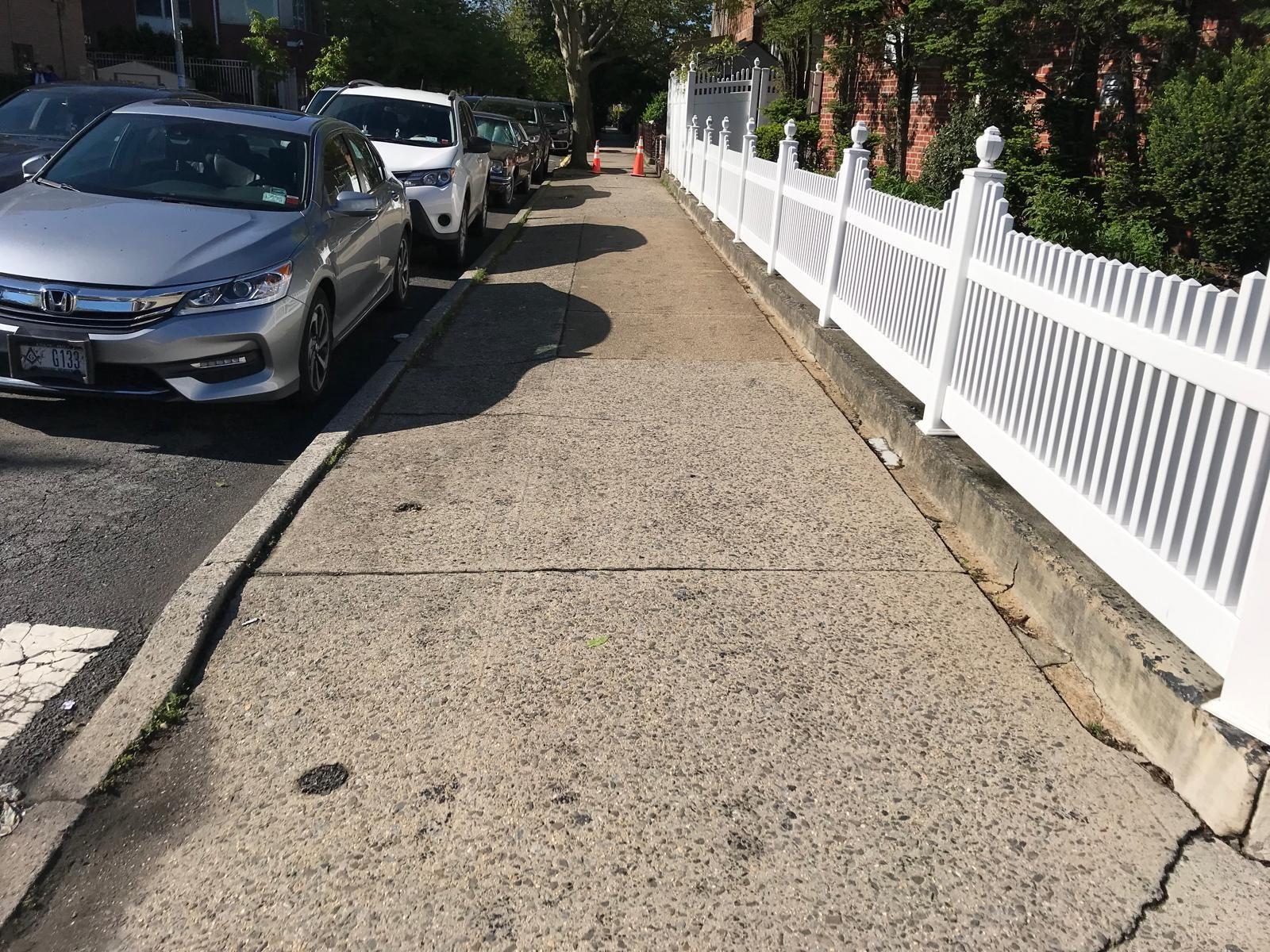

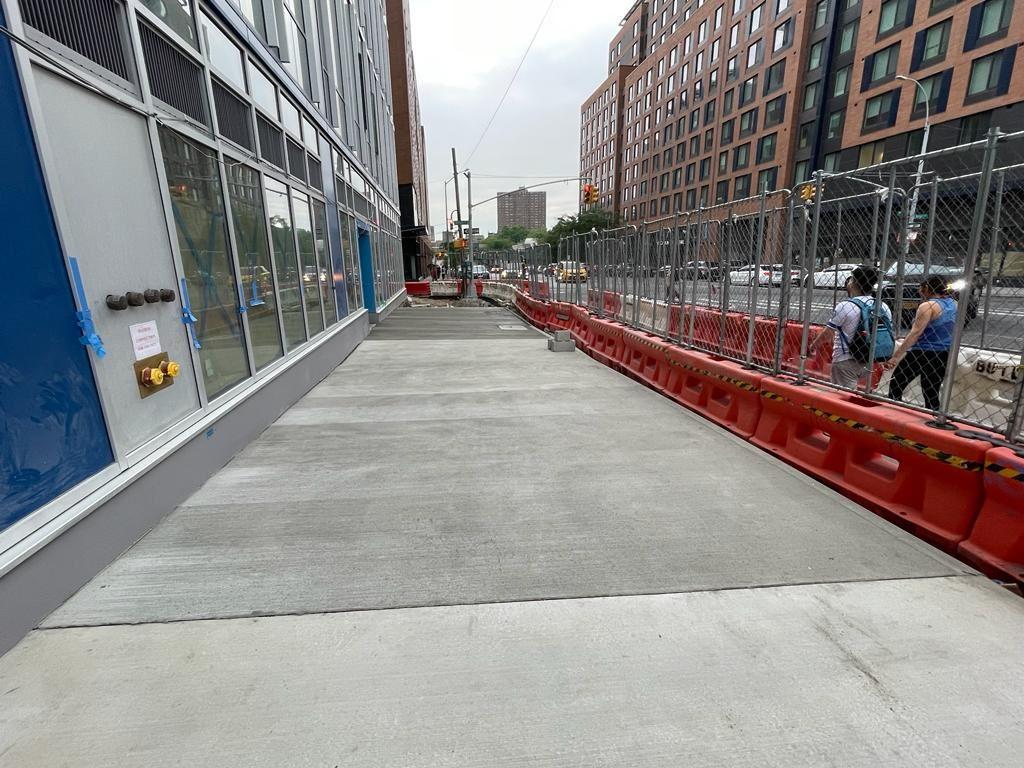
- If a sidewalk violation isn't repaired within 75 days, DOT can send its own contractor and the Department of Finance bills the owner.
- The final bill can include more work than the notice listed, to bring the whole sidewalk up to standard.
- Eligible owners can spread the charge over four yearly installments, but must apply within a year; those installments become liens on the property.
- Questions about the amount or the quality of the work go to the Department of Design and Construction, not Finance.
How a sidewalk bill happens
It starts with a DOT inspection and a Notice of Violation for defects such as cracked or raised flags, trip hazards or bad drainage slopes. The owner then has 75 days to repair the sidewalk with a licensed contractor, or to appeal if the violation is wrong. If neither happens, DOT may hire a contractor to do the work, and the Department of Finance bills the owner for it.
Two things surprise many owners. First, the final bill can be higher than expected, because it may include additional repairs needed to bring the sidewalk up to standard, not only the defects on the notice. Second, a copy of the violation is filed with the County Clerk and stays on file until it is dismissed, so it shows up when the property is sold or refinanced.
Who sends the bill
The Department of Finance bills and collects sidewalk repair charges on behalf of DOT. The charge is recorded against the property as a sidewalk improvement assessment, with its own assessment number, which you'll need for any payment plan or question about it.
Spreading it out: the installment plan
The Department of Finance offers an installment plan that splits the charge into four yearly payments, plus interest. According to Finance's application, you qualify only if all of these are true:
- You apply within one year from the date the charge was entered on Finance's records.
- The charge is more than $250 and not more than $5,000.
- The property is a one- to six-family home, or its assessed value is no more than $30,000.
The first installment is due when the plan is approved, and the remaining installments become liens on the property each year on the anniversary of the original charge. Interest is charged at 8.5% a year or the City's borrowing rate, whichever is lower. If you miss an installment, the agreement can be cancelled and the whole unpaid balance becomes due at once.
If you think the bill or the work is wrong
Finance only collects the charge. For questions about the amount, the violation itself or the quality of the repair, Finance directs owners to the Department of Design and Construction (DDC), which has a contact for each borough on Finance's instructions. Gather your violation notice, the bill, the assessment number and photos of the sidewalk before you call.
If a City tree caused the damage
The City no longer issues violations or liens for sidewalk damage caused only by City street trees at 1-, 2- and 3-family homes. If that's your situation, read Tree roots lifted my sidewalk: who pays in NYC? before you pay anyone.
How to avoid a City repair bill
- Act inside the 75 days. Hire a DCWP-licensed contractor; the contractor pulls the DOT sidewalk permit.
- Fix every defect on the notice, including slopes and expansion joints, so the work passes inspection.
- Book the dismissal inspection. The violation only comes off the record when DOT confirms the repair.
- Appeal if it's wrong. If the violation was issued in error, the same 75 days is your window to appeal.
We pull the permit, rebuild the sidewalk to DOT specs and book the dismissal inspection. See how to remove a sidewalk violation in NYC for the full steps.
Common questions
Who sends the bill when the City repairs my sidewalk?
DOT has the work done, and the Department of Finance bills and collects the charge from the property owner.
Can I pay a sidewalk repair charge in installments?
Yes, if you apply to the Department of Finance within one year of the charge, the charge is more than $250 and not more than $5,000, and the property is a one- to six-family home or assessed at no more than $30,000. It's split into four yearly payments plus interest.
Is a sidewalk repair charge a lien on my property?
Under Finance's installment plan, each yearly installment becomes a lien on the property on the anniversary of the original charge. The violation itself is also filed with the County Clerk until it's dismissed, so it appears in title searches.
Who do I call if the bill or the repair looks wrong?
The Department of Design and Construction (DDC). Finance only collects the charge and can't help with the amount or the quality of the work.
Can I still fix my sidewalk myself after getting a violation?
Yes. Within 75 days of the notice, hire a DCWP-licensed contractor with a DOT sidewalk permit and book the dismissal inspection. That's usually cheaper than a City repair bill.
This guide is general information, not legal advice. Rules can change; check NYC DOT, the Department of Finance and DDC for the latest.